The choice of an appropriate water purification technology is crucial for industries, businesses, and institutions that have ongoing requirements for water quality. The ultrafiltration (UF) membrane filter and the reverse osmosis (RO) membrane are the two most popular technologies. Although they are both designed to eliminate contaminants, they differ in their function, efficiency, and application. Their differences should be understood so that industries may select the most suitable solution for their own needs.
What Does an Ultrafiltration Membrane Filter Mean?
A semi-permeable membrane is an ultrafiltration membrane filter that removes suspended solids, bacteria, and some viruses from raw water. In contrast to the RO membranes, UF membranes have low-pressure operation, and they do not eliminate dissolved salts.
The main characteristics of Ultrafiltration Membrane Filters:
- Eliminates bacteria, colloids, and suspended impurities.
- Needs no high-pressure pumps to operate.
- Retains important minerals in the water.
- Serves as a good pre-treatment for industrial reverse osmosis systems.
UF membranes are commonly applied in demineralized water plants, mineral water RO plants, as well as commercial reverse osmosis systems, where microbiological safety is necessary but not full demineralization.
What is a Reverse Osmosis Membrane?
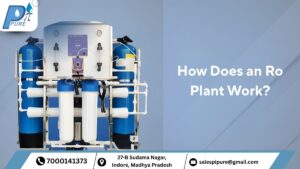
An industrial reverse osmosis plant consists of a reverse osmosis membrane. It works with high pressure to separate the water molecules, dissolved salts, heavy metals, and chemical impurities.
The following are the key characteristics of the best Reverse Osmosis Membranes:
- Eliminates as much as 99 percent of dissolved salts, organics, and impurities.
- Provides the utmost purity of water to various industries, including pharmaceuticals, power, food, and beverages.
- Performs optimally with appropriate pre-treatment, such as PP filter cartridges, wound filters, coconut shell-activated carbon, and RO antiscalant chemicals.
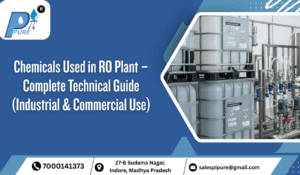
- Periodically requires servicing using RO membrane cleaning chemicals and membrane washing chemicals.
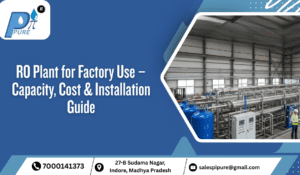
Industrial RO water purifier systems, FRP RO facilities, and commercial RO system membranes produce high-quality water.
Ultrafiltration vs. Reverse Osmosis – Key Differences
Feature | Ultrafiltration Membrane Filter | Reverse Osmosis Membrane |
Contaminants Removed | Bacteria, viruses, suspended solids | Dissolved salts, heavy metals, chemicals, and bacteria |
Mineral Retention | Retains essential minerals | Removes most minerals |
Operating Pressure | Low pressure | High-pressure with FRP pressure vessels |
Applications | Pre-treatment, drinking water safety, and industrial cooling | High-purity industrial water, pharmaceuticals, food & beverage |
Maintenance | Lower, fewer chemicals needed | Requires RO membrane cleaning chemicals and antiscalant chemicals |
Which is Right for You?
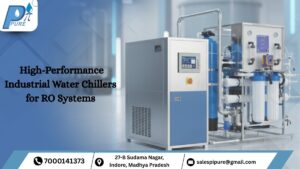
Select UF membranes where microbiological safety, low cost of operation, and retention of minerals are required. Best in industrial water chillers, cooling systems, and in drinking water pre-treatment.
Select a RO membrane when you need to obtain high-purity water for use in pharmaceuticals, textiles, power generation plants, or packaged drinking water.
Most industries are using both systems in combination; UF membranes serve to pre-treat RO plants, which ensures the optimal performance of the best reverse osmosis membranes.
Why Choose PI Pure RO System?
Complete Technology – The use of combinations of UF filters and RO system membranes is done with utmost efficiency.
Advanced Pre-Treatment – This system incorporates superior protection by utilizing a PP filter cartridge, coconut shell-activated carbon, and multi-port valves.
Durability and reliability- FRP pressure vessels can be constructed and are compatible with electronic dosing pumps.
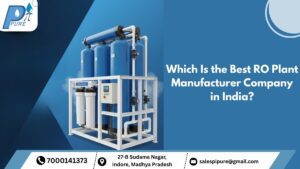
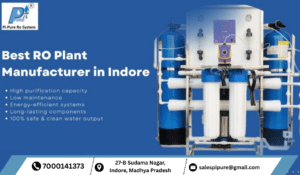
Complete industrial solutions- Diligent RO plant manufacturer in Indore, including all industry support, chemicals, and after-sales service.
Conclusion
The modern water treatment cannot do without reverse osmosis membranes or ultrafiltration membrane filters. Where UF ensures microbiological safety and low operational costs, RO ensures maximum purity by eliminating dissolved salts and contaminants. A combination of the two technologies will give an ideal end product to most industries. Coordination with the manufacturers of specialized reverse osmosis plants in India will provide a good balance of performance, reliability, and cost-effectiveness. The quality, efficiency, and sustainability of the water are guaranteed by the choice of the advanced systems, including the PI Pure RO System.