
The purification of water is determined by its size, usage, and the industry it serves. Commercial Reverse Osmosis and Industrial Ro Are the Most Common Solutions, but They Are Not Similar. the Awareness of Their Differences Assists Businesses and Organizations in Making the Right Decision when It Comes to Selecting the Technology.
What Do You Mean by A Commercial Reverse Osmosis Plant?
A Commercial Reverse Osmosis Plant Is Made in Such a Way that It Has a Medium Scale Application, E.G., Schools, Offices, Hotels, and Hospitals.
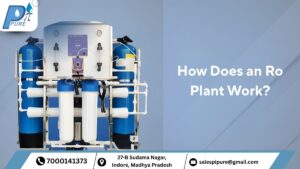
It Involves Reverse Osmosis Membranes to Screen out Dissolved Salt, Bacteria, and Other Contaminants, Providing Clean and Safe Water.
The Most Important Characteristics of Commercial Ro Plants Are:
- The Average Yield Is 100 to 10,000 Liters per Day.
- Small Size to Fit Into a Small Space.
- Pre-Filtration Is Performed Using Pp Filter Cartridges, Wound Cartridge Filters, and Coconut-Shell Activated Carbon.
- Their Membrane Washing Chemicals Are Effective And, Therefore, Must Be Used Periodically in Conjunction with Ro Antiscalant.
- Adequately Applicable in The Provision of Drinking Water, Canteen, and Small-Sized Packaged Water.
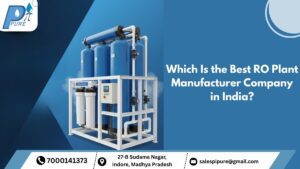
Reputable Commercial Ro Plant Manufacturers Typically Sell Ro Plant Commercial, and They Are Ideal for Organizations that Require Purified Water in Reasonable Quantities.
What Does an Industrial Ro Plant Mean?
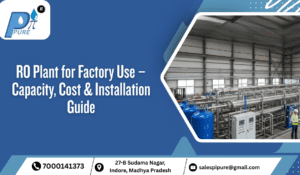
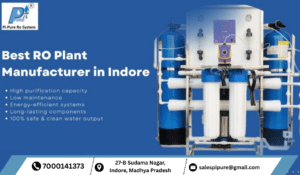
An Industrial Reverse Osmosis Plant Is Placed in Other Sectors Within the Pharmaceuticals, Textiles, Food and Beverages, and Power Plants in Order to Carry out Large-Scale Water Purification. These Plants Feature Improved Ro System Membranes and Frp Pressure Vessels, as Well as Electronically Operated Dose Pumps to Achieve Reliability and Durability.
The Principal Features of An Industrial Ro Plant Are:
- Capable of Producing 10,000 Liters- Millions of Liters per Day.
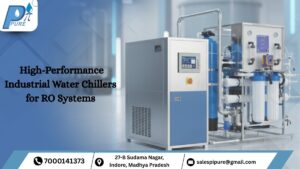
- Equipped with High-Tech Multiport Valves, Ro Control Panels, and Industrial Water Chillers.
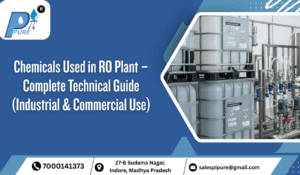
- Needs Comprehensive Use of Reverse Osmosis Chemicals, Including Ro Membrane Cleaning Chemicals and Antiscalant Chemicals.
- Built and Equipped with Superior-Quality Materials, Including Frp Ro Plants and Stainless Steel Structures.
- More Often than Not, It Is Used with Commercial Water Softeners or Demineralised Water Plants.
Dedicated Industrial Ro Plant Manufacturers Provide Full Installation and Maintenance Services on Large-Scale Industrial Plants.
Key Differences: Commercial vs. Industrial Ro Plants
Aspect | Commercial Reverse Osmosis Plant | Industrial Ro Plant |
Capacity | 100–10,000 Lpd | 10,000 Lpd to Millions |
Applications | Hospitals, Hotels, Offices, Schools, | Medicines, Power Plants, Textiles, and Beverages |
Design | Space-Saving | Large-Scale, Robust Construction |
Components | Pp Filters, Wound Cartridge Filters, Coconut Shell Activated Carbon | Frp Pressure Vessels, Electronic Dosing Pumps, Ro Control Panels |
Chemicals Required | Basic Antiscalants, Membrane Washing Chemicals | Complete Use of Reverse Osmosis Chemicals |
Maintenance | Moderate, Requires Timely Cleaning | Intensive, Needs Regular Monitoring and Chemical Dosing |
Which One Should You Choose?
Install a Commercial Reverse Osmosis Plant Where Medium Consumption of Water Is Required, Like Restaurants, Institutions, or Packaged Drinking Water Dispensers.
An Industrial Reverse Osmosis System Should Be Chosen when Your Business’s Production Process Requires Large Amounts of High-Purity Water.
In Some Cases, Industries Utilize Both Systems Simultaneously: Employee Commercial Drinking of Water and Industrial Drinking of Water in The Main Production Process.
Why Choose the Pi Pure Ro System?
- Multipurpose Solutions- These Are Available in Commercial and Industrial Ro Plant Designs.
- Sustainable Construction – The Frp Pressure Vessels, Ro Systems, Membranes, and Multiport Valves Are Used to Ensure the Structure Operates Efficiently and Sustainably in The Long Term.
- Full Pre-Treatment- Equipped with Pp Filter Cartridges, Wound Filters, and Coconut Shell Activated Carbon.
- Expert Support- Reliable Supplier of Ro Plants in Indore, Which Provides After-Sales, Chemicals, and Installation.
Conclusion
Capacity, Design, and Application Are the Differences Between a Commercial Reverse Osmosis Plant and An Industrial Ro Plant. Whereas Commercial Systems Serve Moderate Requirements, Such as In a Hotel or Even a School, Industrial Plants Provide Large Quantities of Water (high Purity) Needed by The Critical Industries. Selecting an Appropriate System Will Make It Efficient, Safe, and Sustainable. Collaborating with The Professional Reverse Osmosis Plant Manufacturers , Such as Pi Pure Ro System, will ensure high-quality technology, adequate provision of chemistry, and sustainability.